
When choosing a PCBA manufacturer, certifications are one of the most important indicators of quality, reliability, and compliance. A qualified PCB assembly partner should have certifications that demonstrate strong manufacturing processes, industry knowledge, and the ability to meet regulatory requirements.
The certifications required for printed circuit board assembly can vary depending on the industry, product type, and application. For example, aerospace, medical, and defense electronics often require additional certifications beyond standard quality management systems.
You may be asking, which certifications are most important to look for? What do these certifications mean? Below is a guide to some of the most important certifications and regulations to look for when evaluating a PCB assembly partner.
Why Are Certifications Important in PCB Assembly?
Before we dive into the details of the necessary certifications, let’s first discuss why your partner should be certified in different areas. Certifications help verify that a PCBA manufacturer follows standardized processes for quality control, traceability, inspection, testing, and continuous improvement.
Working with a certified printed circuit board assembly company can help:
- Reduce manufacturing defects
- Improve product reliability
- Ensure compliance with industry regulations
- Support consistent production quality
- Improve traceability and documentation
- Reduce supply chain and production risk
For industries with strict compliance requirements, certifications may also be mandatory.
Now that we understand the importance of certifications, let’s dive into the actual certifications, including more about what they are and the processes they regulate.
General Quality Certifications for PCBA Manufacturers
ISO 9001
ISO 9001 is one of the most common certifications in electronics manufacturing and PCB assembly. It is an international quality management standard that focuses on process consistency, documentation, and continuous improvement.
A PCBA manufacturer with ISO 9001 certification demonstrates that they have established procedures for:
- Quality management
- Corrective and preventive actions
- Process control
- Customer satisfaction
- Risk management
- Continuous improvement
For companies outsourcing printed circuit board assembly, ISO 9001 certification helps ensure production processes are repeatable and controlled.
PCB Assembly Industry Certifications
IPC Certification
IPC certifications are among the most important credentials in the PCB assembly industry. IPC is the global organization that develops standards for electronics manufacturing and printed circuit board assembly workmanship.
An IPC-certified PCBA company may have technicians, operators, inspectors, and engineers trained in standards such as:
- IPC-A-610: Defines acceptability standards for electronic assemblies and visual inspection criteria.

- J-STD-001: Covers requirements for soldered electrical and electronic assemblies.
IPC-certified PCB assembly teams are trained to follow industry-recognized workmanship standards, which can improve assembly quality, inspection accuracy, and long-term reliability.
Industry-Specific Certifications for Printed Circuit Board Assembly
ITAR Registration
ITAR stands for International Traffic in Arms Regulations. ITAR registration is important for PCB assembly companies serving the defense and aerospace industries.
An ITAR-registered PCBA manufacturer is equipped to handle controlled technical data and defense-related products in accordance with U.S. government regulations.
ITAR-compliant PCB assembly providers typically maintain:
- Secure manufacturing environments
- Controlled access procedures
- Documentation and traceability systems
- Compliance training and data protection measures
For military or defense electronics projects, ITAR registration is often required.
ISO 13485
ISO 13485 is a quality management certification specifically designed for medical device manufacturing.
For medical PCB assembly applications, ISO 13485 certification demonstrates that a manufacturer follows strict standards related to:
- Traceability
- Risk management
- Documentation
- Process validation
- Regulatory compliance
- Product safety
Companies manufacturing medical electronics, diagnostic equipment, or healthcare devices often require a PCBA partner with ISO 13485 certification.
AS9100
AS9100 is the aerospace industry’s quality management standard. It builds upon ISO 9001, including additional requirements specific to aerospace manufacturing and high-reliability electronics.
An AS9100-certified PCB assembly manufacturer typically follows enhanced standards for:
- Product traceability
- Supplier management
- Configuration management

- Risk reduction
- Process documentation
- Quality verification
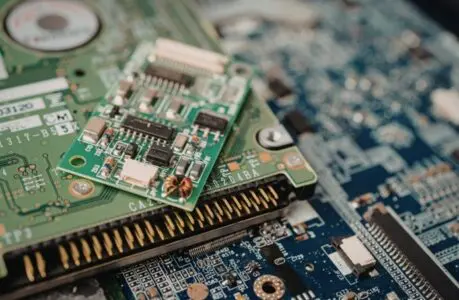
AS9100 certification is especially important for aerospace, aviation, and mission-critical electronic assemblies where reliability and precision are essential.
Tip: make sure to look for the year after each certification the PCB assembly partner has. This ensures that the certifications are as up-to-date as possible.
How to Choose the Right PCB Assembly Partner
When evaluating a PCBA manufacturer, certifications should be considered alongside other important factors such as:
- Manufacturing capabilities
- Testing and inspection processes
- Industry experience
- Supply chain management
- Lead times
- Engineering support
- Communication and responsiveness
The right printed circuit board assembly partner should be able to support your quality requirements, compliance needs, and long-term production goals.
Certifications are a critical part of selecting the right PCBA partner. Standards like ISO 9001 and IPC certification demonstrate strong manufacturing and quality practices, while certifications such as ITAR, ISO 13485, and AS9100 help support regulated industries including aerospace, medical, and defense.
Choosing a certified PCB assembly manufacturer can help improve reliability, reduce risk, and ensure your products meet industry expectations.
At PGF Tech, we provide high-quality PCBA and printed circuit board assembly services backed by rigorous quality standards and industry expertise. Contact our team to learn more about our PCB assembly capabilities and how we can support your next project.
Frequently Asked Questions About PCBA Certifications
What certifications should a PCB assembly company have?
Most PCB assembly companies should have ISO 9001 certification and IPC-certified personnel. Depending on the industry, additional certifications such as ITAR registration, ISO 13485, or AS9100 may also be important.
Why is IPC certification important for PCBA?
IPC certification helps ensure a PCBA manufacturer follows industry-recognized standards for soldering, assembly quality, inspection, and workmanship. IPC-certified teams are trained to build printed circuit board assemblies to consistent quality standards.
What is the difference between ISO 9001 and ISO 13485?
ISO 9001 is a general quality management certification used across many industries, while ISO 13485 is specifically designed for medical device manufacturing and includes additional requirements for regulatory compliance, traceability, and risk management.
Does every PCBA manufacturer need ITAR registration?
No, but ITAR registration is important for companies working on defense, aerospace, or military electronics projects that involve controlled technical data or regulated products.
Why does AS9100 matter in PCB assembly?
AS9100 certification is designed for aerospace manufacturing and includes stricter quality, traceability, and risk management requirements. It is commonly required for aerospace and aviation PCB assembly applications.
How do certifications improve printed circuit board assembly quality?
Certifications help ensure that a PCB assembly manufacturer follows documented processes, quality standards, inspection procedures, and continuous improvement practices. This can reduce defects, improve consistency, and increase long-term product reliability.