
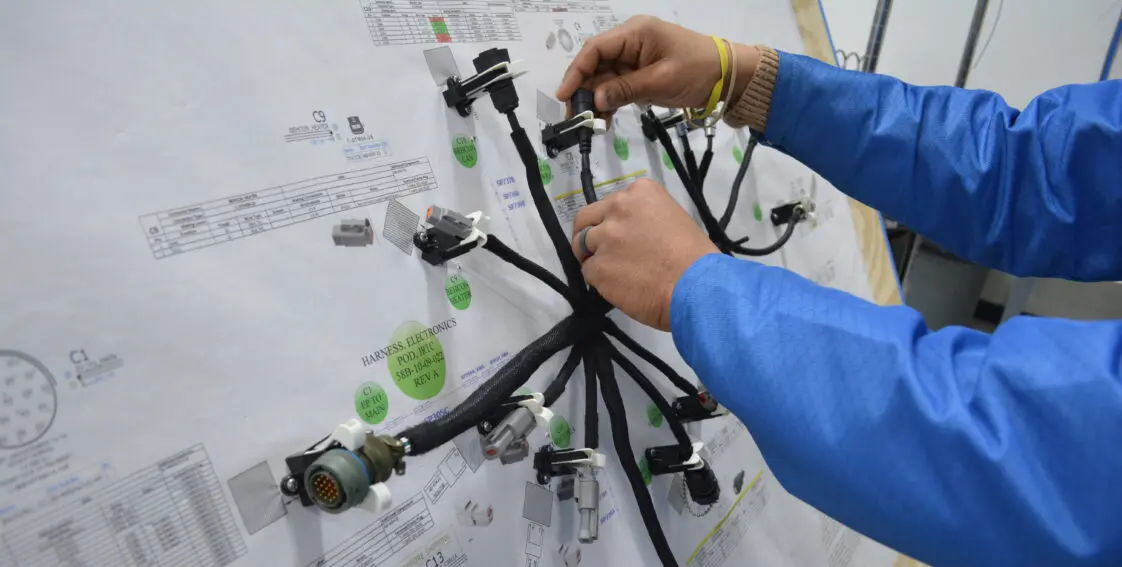
Component obsolescence is a dreaded, on-going battle throughout all facets of manufacturing, including with wire harness assemblies. It can cause countless challenges, including skyrocketed costs and endless lead times.
Luckily, proper prior planning can help alleviate some of the difficulties caused by component obsolescence in the wire harness assembly process. Below are 5 tips to follow to escape component obsolescence challenges. First, let’s begin by breaking down component obsolescence and the product lifecycle.
What is Component Obsolescence?
Every component has a lifecycle with the following production stages:
- Introduction: the component is first introduced to the public
- Growth: sales increase as more folks adopt the component
- Maturity: the component is established in the market, and technology is becoming outdated
- Decline: newer models may have been released, the component is selling less, and manufacturing of the component slows
- End-of-Life (EOL): the component is being discontinued
Component obsolescence happens when a product reaches EOL and the manufacturer decides to discontinue it. They may offer newer models of the same product, sales of this older component are down, and manufacturing no longer makes sense.
Component obsolescence can come with many challenges, including:
- Limited supply left of the component
- Cost to buy the component skyrockets
- Lead times to receive the component increase because of limited production
With proper planning, many of the difficulties caused by component obsolescence in wire harness assembly can be avoided. Let’s discuss 5 tips to help you plan your wire harness assemblies as best as possible.
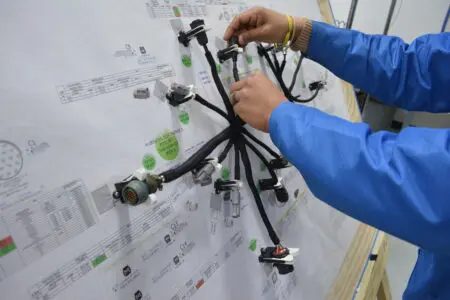
Tip #1: Regularly Assess BOMs
Before reordering the same wire harness assembly, it is important to check your BOM for EOL components. This is not necessary with every reorder, but it is a good idea to assess your BOMs annually.
Researching each component line-by-line will help you understand which components are obsolete or mature. This can also help you assess which components you may need an alternative for. During the audit of your BOM, you can then select a proper alternative for older components.
If you work with a turnkey electronic assembly partner, their purchasing team can assess your wire harness assembly’s BOM for you and select alternative components as needed.
Tip #2: Regularly Reach Out to Suppliers
In addition to auditing the BOMs for your wire harness assemblies, it is also important to audit your suppliers. Once a year, schedule a meeting with your suppliers to discuss the components you purchase and the product life cycles of each. Even if your suppliers are unaware of future obsolescence challenges with the components you purchase, this will help keep you top of mind for them if one of these components is beginning to be phased out. This means you will be the first to receive a notification from your supplier when this does happen.
Tip #3: Stock Up on Older Components
If it’s unclear when a component will become obsolete, it might be a good idea to stock up on certain components for your wire harness assemblies. This can be especially important if the end-product you are manufacturing requires a very specific assembly type over a longer period of time.
Your wire harness assembly partner may offer inventory management services, which would help you store components until they are needed for production. Additionally, having these components on hand can help significantly reduce your lead times.
Tip #4: Research Alternatives
After auditing your BOM, your next step to planning for obsolescence should be to find alternative component options. Doing this ahead of when obsolescence challenges start will allow your team time to test out alternative components and ensure they fit the specs of your wire harness assembly.
With the right assembly partner, a simple indication of if alternatives are okay to use on your BOM will suffice. Then, your wire harness assembly company’s purchasing team will source alternative options for you to choose from. This helps reduce the workload caused by obsolescence from your internal teams.
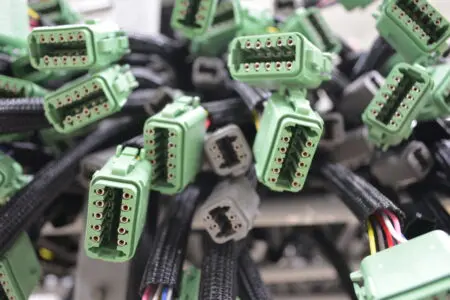
Tip #5: Redesign at the First Obsolescence Notification
Lastly, it is important to start the redesign process at the first notification of a component nearing the end of its lifecycle. The wire harness assembly design process can take months (or longer), so the longer a redesign is put off, the more time a component has to reach the end of its life. Even if only an alternative component is required, testing this new component can take time in regulated industries.
If you work with an electronic manufacturing solutions provider for wire harness assemblies, chances are they can help you find alternative components. This lightens the load of accounting for obsolescence on internal teams, allowing you to focus on developing new products.
Component obsolescence challenges will always impact manufacturers. However, proper prior planning can help. Working with an assembly partner that has strong supplier relationships and the ability to plan for component obsolescence can greatly reduce the burden EOL components put on your team. To learn more about how PGF Tech accounts for obsolescence in our practices, contact us here: https://www.pgftech.com/contact-us/
FAQs
What is component obsolescence?
Component obsolescence happens when a product reaches EOL and the manufacturer decides to discontinue it. They may offer newer models of the same product now, sales of this older component are down, and manufacturing no longer makes sense.
What can I do to plan for component obsolescence?
Planning for obsolescence can help avoid challenges like longer lead times and high component costs. Planning steps should include:
- Regularly auditing your BOMs
- Regularly auditing your suppliers
- Stocking older components now
- Sourcing & testing alternative components
- Starting the redesign process at the first sign of obsolescence